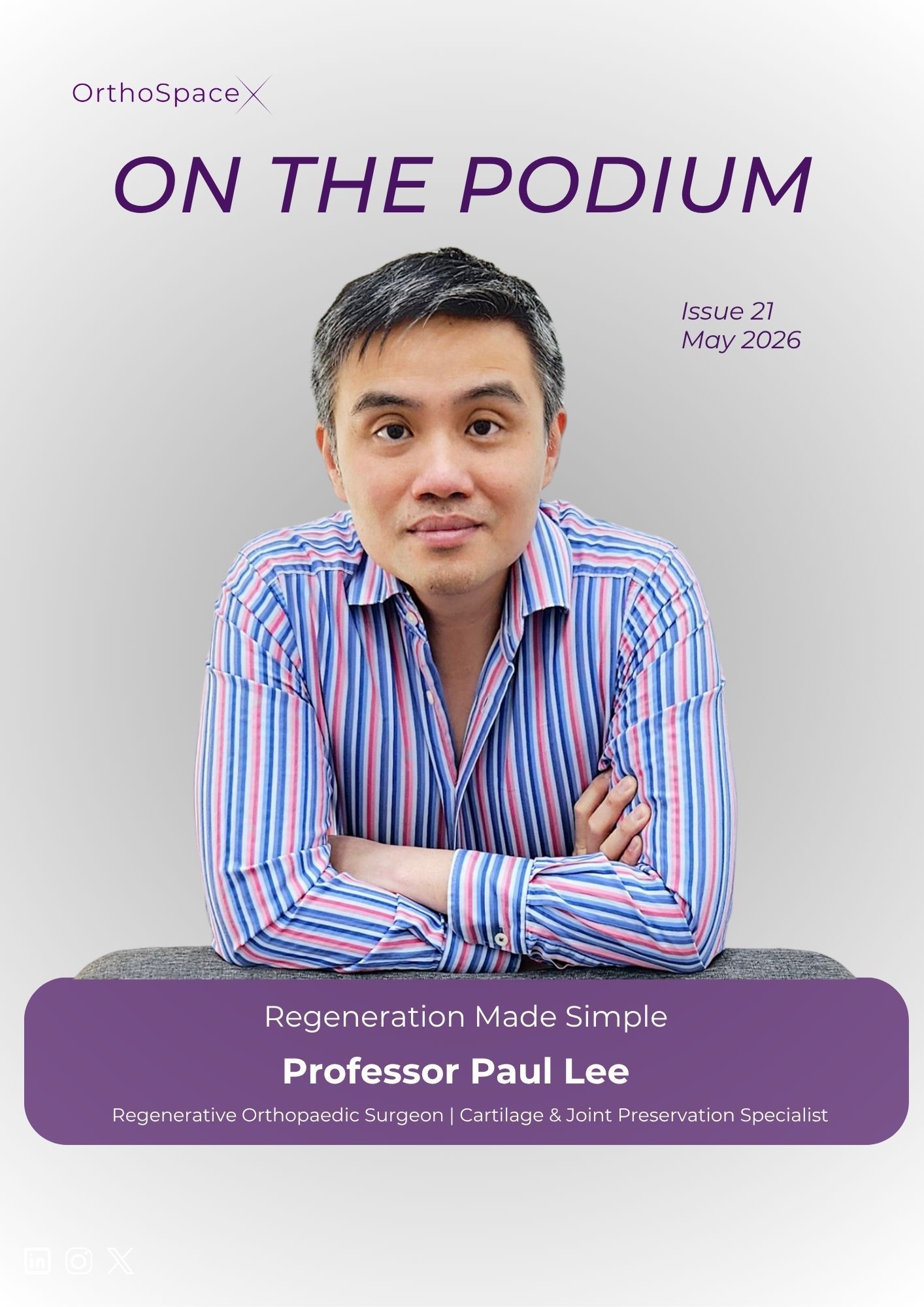
Regeneration Made Simple
An Interview with:
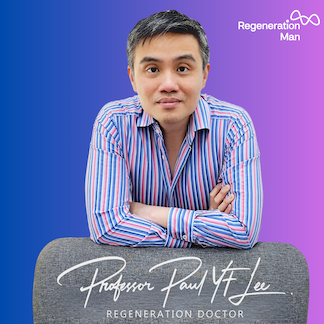
Professor. Paul Lee
Issue 20, May 2026
Why should orthopaedics think beyond replacement where appropriate?
Replacement remains important and, in the right patient, it can be life-changing. But it should not always be the first reflex. Modern orthopaedics needs to think more carefully about when to preserve, when to repair, when to regenerate, and when to replace. My view is that we should respect the whole pathway rather than jump straight to the final option when other appropriate strategies may still exist.
Why is cartilage such a central part of your work?
Cartilage matters because it sits at the centre of load transfer, smooth movement, function, and long-term joint health. Once cartilage begins to fail, the rest of the joint often changes as well. So if we understand cartilage properly, we understand a great deal about preservation, pain, recovery, and the long-term future of that joint. But cartilage should never be viewed in isolation. The joint has to be treated as a system. Synovium, meniscus, ligaments, joint fluid, mechanics, and the wider biological environment all influence whether a joint remains healthy or progresses towards arthritis.
What does regenerative orthopaedics actually mean in real clinical practice?
For me, regenerative orthopaedics is not a buzzword. It means using biology, mechanics, recovery, and clinical judgement together to create better healing conditions. It is not one injection, not one operation, and not one miracle treatment. It is a disciplined way of thinking about how tissue repairs, how the joint environment behaves, and how we can improve outcomes in a practical, ethical, and clinically usable way.
You often talk about systems thinking. What do you mean by that?
People often get regeneration wrong because they focus on one part in isolation. Real healing depends on a system. I often describe that system through four lenses: physics, chemistry, biology, and timing. Physics is about forces, alignment, load, and movement. Chemistry is about the environment around the cells. Biology is about the tissue response and repair capacity. Timing is about sequencing - doing the right thing at the right time. If you ignore the system, you usually misunderstand the result.
Why do you say osteoarthritis is more than simple wear and tear?
Because that description is too simplistic. Osteoarthritis involves cartilage, yes, but also synovium, fat pad biology, inflammation, cellular signalling, metabolic influences, senescence, and the mechanical environment. Once you understand that, you realise why one-size-fits-all thinking often fails. The joint is not just worn; it is behaving differently as a system.
Senescence is becoming a bigger topic. How do you think about it in orthopaedics?
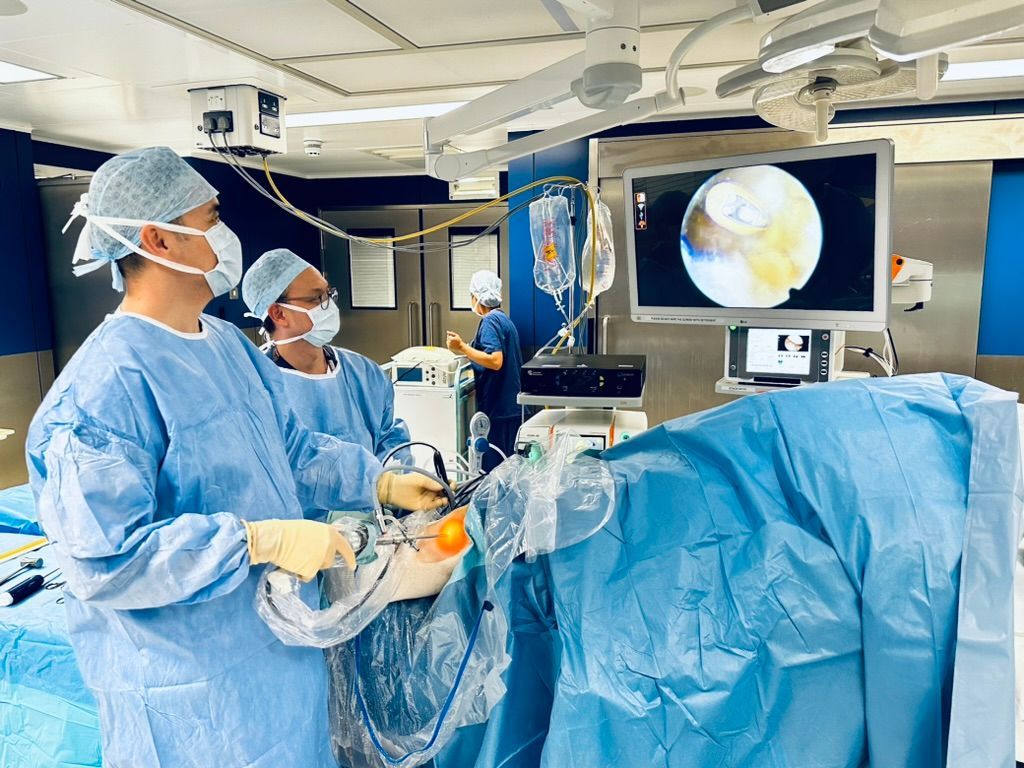
Senescence matters, but it can be over-simplified. The answer is not just to say, “Let’s remove bad cells and everything improves.” We also have to ask what created that environment in the first place, what happens afterwards, how the tissue repopulates, and how inflammation, metabolism, forces, and recovery interact. Senescence is important, but it is one part of a much broader biological and mechanical system.
You are still a surgeon. How do surgery and regeneration fit together?
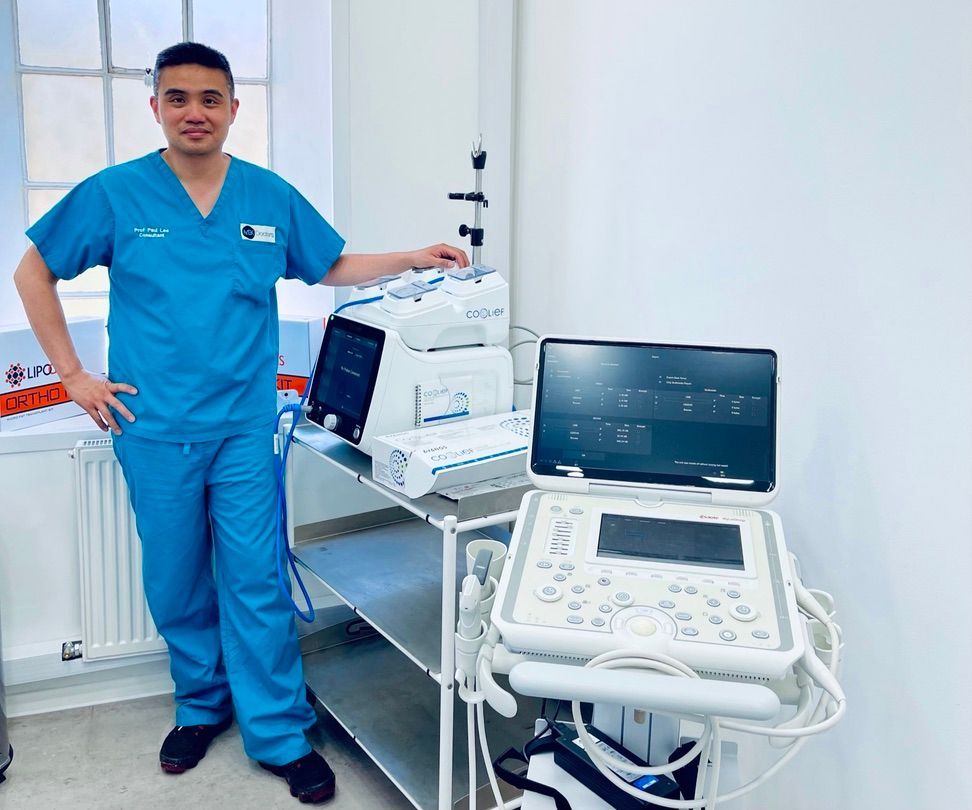
They fit together naturally. Surgery matters. Technique matters. Precision matters. But surgery is part of the system, not the whole system. A technically excellent operation still depends on biology, recovery, loading, sleep, energy, rehabilitation, and timing. I do not see surgery and regeneration as opposing ideas. I see them as partners when used properly.
How has engineering changed the way you think as a surgeon?
Engineering teaches you to think in systems, forces, design, and function. It pushes you to ask not just what is damaged, but why it is behaving that way. That perspective naturally connects to biomechanics, recovery, and objective assessment. AI and measurement tools can support this, but only if they improve clinical decisions rather than distract from them.
What do patients often misunderstand about healing and recovery?
Many people think healing is simply about having the right treatment. In reality, healing depends on the environment into which that treatment is placed. Sleep matters. Nutrition matters. Forces matter. Timing matters. Energy matters. My practical advice is often very simple: plan rest first, then fit work around it. Most people do the opposite, and that undermines recovery.
If you want people to remember one thing from this conversation, what should it be?
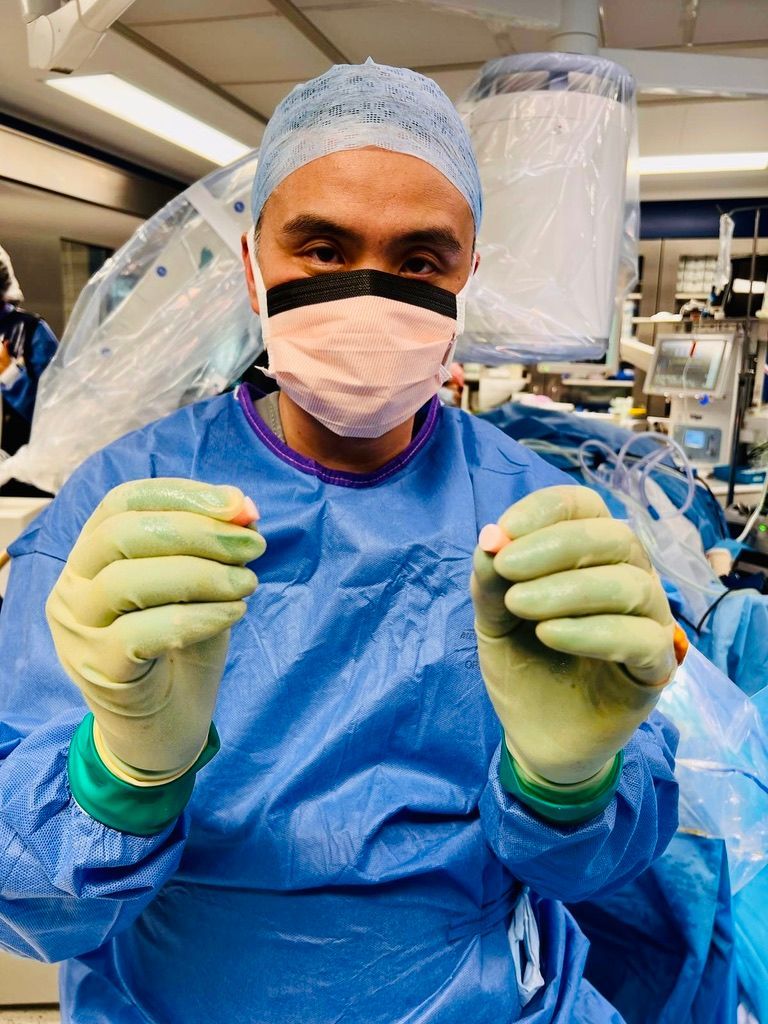
That regeneration is not magic and not hype. It is a systems process. If we want better healing, we need to respect physics, chemistry, biology, and timing — not just the procedure, but the environment in which recovery happens. The future of orthopaedics is not less surgery; it is smarter preservation, smarter surgery, and better recovery.
About Professor. Paul Lee
Professor Paul Lee (MBBCh, MFSEM(UK), MSc, PhD, FEBOT, FRCS (Tr & Orth)) is a Harley Street Regenerative Orthopaedic Surgeon, Cartilage & Joint Preservation Specialist, clinician scientist, and biomedical engineer. His work is centred on helping patients understand what may still be preserved, repaired, or regenerated before joint replacement becomes the default. Rather than treating replacement as the starting point, his clinical philosophy is built around a more individual assessment of tissue, timing, function, recovery, and what may still be possible. He specialises in cartilage care, meniscus repair, osteochondral allograft surgery, advanced joint preservation techniques, image-guided precision injections, and selected joint replacement when clinically indicated. He has been recognised as an ICRS International Teaching Centre of Excellence for cartilage and joint preservation surgery for over 10 years and counting. His work has also included the treatment of elite and professional athletes, including Premiership footballers, bringing high-performance decision-making into wider orthopaedic and regenerative care.
Professor Lee combines surgery, science, and engineering to make regeneration more practical, credible, and clinically usable. He is Honorary Professor of Sports Medicine in the College of Health and Science at the University of Lincoln and served as Visiting Professor of Medical Engineering at the University of Chester until April 2025. He is Editor-in-Chief of Springer’s Musculoskeletal Regeneration Medicine, section editor for Springer Nature’s Briefs in Tissue Repair and Reconstruction series, and author of the international Amazon number 1 bestsellers Regeneration by Design and Practical Regeneration.
He is the founder of the MSK Computer Vision Lab and the creator of innovation platforms including MAI-Motion®, onMRI™, and Regen PhD, reflecting a long-standing commitment to bridging orthopaedics, AI, imaging, and engineering. He has published more than 100 peer-reviewed papers, secured over £1.3 million in grant funding, and contributed to research, innovation, and patient pathway redesign across musculoskeletal care. He is also the recipient of a 20-year NHS long service award, reflecting two decades of contribution to clinical care and musculoskeletal practice.
In 2026, Professor Lee was awarded the Robert Jones Medal and Association Prize for his essay Recovery in the Age of Intelligence: Why Humility May Be the Surgeon’s Most Powerful Tool. The award reflects a defining aspect of his professional identity: a belief that the future of orthopaedics depends not only on innovation and intelligence, but on judgement, restraint, collaboration, and respect for the human side of recovery. Alongside his clinical and academic work, he is founder trustee of the MSK Regen Foundation, a charity dedicated to the preservation and protection of public health and the advancement of education and research in musculoskeletal regeneration.
We would like to thank Professor. Paul Lee for his insight.
Thank you for being part of Our Community
We believe in pushing boundaries, sharing knowledge, and highlighting the people and ideas shaping the future of orthopaedics. On the Podium is our platform for showcasing the journeys, challenges, and breakthroughs of those making a positive impact in the orthopaedic community.
If you’ve found value in these stories, we encourage you to stay connected. Follow us on social media for the latest updates, subscribe to our email list for exclusive content, and share these insights with others who might find them just as inspiring.
Your engagement helps us continue to bring important stories to light and grow a community of forward thinkers.
Thank you for reading, supporting, and being part of this journey. We look forward to exploring more with you.
Thank you to our sponsors:




To download this issue of On The Podium, click below.
Sign up to On The Podium. The latest insights and inspiration from orthopaedic specialists around the globe sent straight to your inbox.
On The Podium
The newsletter brought to you by OrthoSpaceX
| Engage with Orthopaedic Leaders | Exclusive orthopaedic insight | |
| Stay Ahead in Orthopaedic Advancements | Uncover Surgical Innovations | |
| Empower Your Orthopaedic Knowledge | Unlock the Minds of Orthopaedic Specialists |